


Why Manchester United Struggle to Dominate: Ole Was Right All Along
The more you analyze Ruben Amorim’s tactical setup, the more it becomes clear that Ole Gunnar Solskjær’s warnings weren’t unfounded. Time and again, we see the team perform admirably when defending and exploiting transitions, but the structure seems to collapse the moment we are asked to take control of the game. Ole predicted this on The Overlap, yet many fans dismissed his observation—but watching recent matches, the truth becomes undeniable.
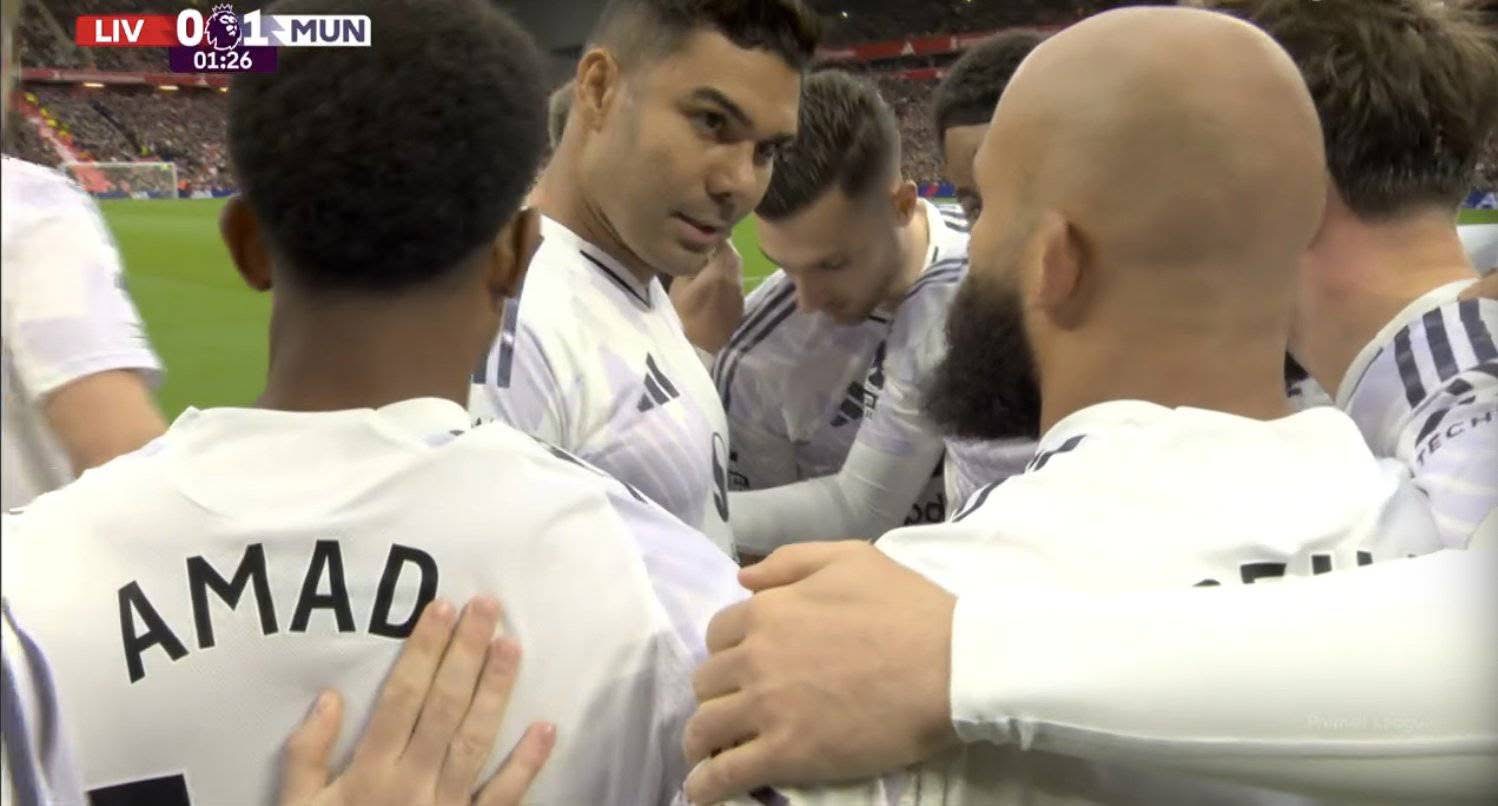
The system implemented under our current setup works brilliantly when opponents press high and leave spaces behind, allowing us to counterattack and thrive on second balls. This is why games against high-tempo teams like Liverpool and Brighton often suit us perfectly. In these scenarios, we can exploit gaps, make rapid vertical passes, and look dangerous in transition, giving the illusion that we are tactically flexible and dominant.
However, the story changes completely when we are expected to dictate possession against teams sitting deep. Our build-up slows down dramatically, passing becomes predictable, and the system lacks the structure needed to break down compact defenses. Rather than creating effective angles, stretching defensive lines, and probing intelligently, we resort to sideways passes and hopeful long balls. The creativity that should define our attacking play is replaced by stagnation, making our forward movement ineffective and our strategies painfully one-dimensional.
This explains why we have struggled in seemingly winnable matches, such as against a ten-man Everton at Old Trafford or a West Ham side enduring one of their worst runs of form. In both instances, we were unable to impose ourselves despite having superior individual talent, because our system faltered the moment control was demanded of us. The problem isn’t the players—it’s the blueprint. When the team isn’t reacting to the opponent, but instead actively shaping the game, the weaknesses are laid bare.
If this pattern continues, it wouldn’t be shocking to see similar struggles against Wolves or other compact, disciplined teams. Based on current performance trends, expecting a top-four finish may be overly optimistic; realistically, 5th or 6th place seems to align more closely with our potential under this tactical approach. The harsh truth is that Ole’s insight, once ignored, now looks prophetic: possession-heavy games expose structural flaws, and until adjustments are made, this ceiling may remain unchallenged.
Ole’s warning was simple yet profound, and it resonates more than ever today. Understanding this doesn’t diminish the team’s talent—it highlights the necessity of tactical adaptability if Manchester United truly wants to dominate games consistently, not just exploit transitional moments.